Choose Which Site You Want To See




Greenpeace is an international environmental organisation that focuses on research and campaigns related to climate, oceans, forests and pollution.
It aims to raise awareness of environmental challenges and offers information that may help people understand key issues in this field. Its work typically includes public reports, advocacy initiatives and collaborative projects with communities. The organisation may suit individuals interested in environmental topics who want to follow developments in sustainability and conservation. It also provides educational resources that can support users looking for clear explanations of complex environmental themes, with a broad range of materials available to explore.
Greenpeace is an international environmental organisation known for its focus on climate, oceans, forests, pollution, and sustainable development. Established in the early 1970s, it has grown into a global network operating through regional offices and campaign groups. Its work centres on environmental protection, public awareness, and research that highlights the impact of human activity on natural ecosystems. Rather than operating as a commercial entity, it functions as a non‑profit movement that uses investigative research, public engagement, and environmental campaigns to draw attention to ecological issues.
The organisation positions itself as a global advocate for environmental responsibility. It often highlights large‑scale ecological challenges and frames them within broader conversations around sustainability and long‑term environmental stewardship. This positions Greenpeace within the environmental and social impact sector, with an emphasis on awareness, advocacy, and long‑term change rather than services or products in the commercial sense. Readers approaching the organisation’s work can expect a focus on research‑led content, campaign updates, and environmental reporting.
Due to its long history and recognisable name, Greenpeace often appears in conversations connected to global environmental movements. While the organisation’s approach can vary by region, the overarching message remains centred on environmental protection and the examination of sustainability‑related issues. Those exploring the Greenpeace UK presence or visiting the Greenpeace official website generally encounter a mixture of research articles, campaign information, and educational resources designed to help users understand key environmental subjects. This sets expectations for a content‑driven experience that is accessible to a broad audience with varying levels of familiarity with environmental issues.
Browse the full range on the Greenpeace website.
This area covers content and initiatives related to climate change, renewable energy, and environmental impact. It usually includes articles, research summaries, and campaign perspectives on energy production and sustainability. As a core theme within the organisation, it reflects Greenpeace positioning as a voice in global climate discussions.
This category highlights information about the health of the world’s oceans, including marine biodiversity, overfishing topics, and pollution concerns. Content often focuses on the protection of marine ecosystems and public awareness of ocean‑related environmental issues.
Forests and conservation content includes information about deforestation, ecosystems, and the impact of human activity on forests. It connects with the organisation’s long‑term interest in ecosystems and biodiversity and presents research‑focused explanations of forest management concerns.
This section typically discusses pollution, waste management, and the environmental impact of consumer goods. Readers may find material focusing on plastic reduction, chemical pollution, and related topics framed within sustainability considerations.
This category gathers studies, investigations, and environmental reports produced or compiled by Greenpeace. These documents provide research‑driven insights designed to help readers understand ecological trends and challenges.
This area focuses on the environmental impact of agriculture, food production, and land use. It presents sustainability considerations that relate to biodiversity, ecological health, and long‑term agricultural practices.
Regional activities highlight specific environmental concerns that vary by geography. These articles and updates offer a localised perspective on broader themes found across the organisation’s global initiatives.
This category contains accessible guides, explanatory articles, and learning materials intended to support public understanding of environmental topics. It aligns with the organisation’s emphasis on communication and awareness.
This section covers policy‑related commentary, including updates on environmental legislation, public decisions, and regulatory trends. It provides readers with context around government and industry responses to ecological issues.
This area includes analysis or commentary on how different industries approach environmental responsibility. It is typically framed around transparency, sustainability considerations, and the examination of environmental impact.
The approach taken by Greenpeace is centred on environmental advocacy supported by research, public awareness, and investigative work. Its operating model focuses on communicating environmental challenges to a broad audience through articles, campaigns, and educational materials. While it does not provide commercial products or services, it positions itself as a long‑standing contributor to environmental conversations.
The organisation’s values revolve around ecological protection, sustainability, and long‑term environmental resilience. Its positioning is rooted in raising awareness and encouraging public engagement with environmental topics. This makes it distinct within the environmental sector, as its role is focused on information and advocacy rather than solutions or services typically found in commercial industries.
Interacting with Greenpeace online generally involves browsing articles, reports, campaign pages, and educational materials. The layout of its digital platforms tends to prioritise clear navigation, structured content, and straightforward explanations of complex topics. Readers usually encounter concise summaries alongside more detailed reports, reflecting an effort to serve audiences with varying levels of familiarity with environmental issues.
The organisation often presents information in a direct, research‑based manner, offering users a consistent experience that focuses on clarity. Accessibility features, such as simple navigation and clear headings, contribute to a user‑friendly experience suited to readers looking to understand environmental concerns without encountering technical barriers.
Greenpeace is known for environmental advocacy and research. It focuses on climate, oceans, forests, pollution, and sustainability through campaigns and educational content. The organisation’s long presence in environmental discussions contributes to its recognisable profile.
The organisation operates through research, investigations, and public communication. It functions as a global network with regional branches that produce content, reports, and campaign information related to environmental concerns.
Readers interested in environmental education and sustainability topics often use its resources. It appeals to individuals seeking accessible explanations of ecological challenges, as well as those comparing different environmental organisations.
Many beginners may find the materials approachable because they offer clear explanations and structured information. The organisation often presents complex topics in simplified formats that support introductory understanding.
Compared with other environmental organisations, Greenpeace is often noted for its long history and broad thematic range. Alternatives may focus more narrowly on specific issues, while Greenpeace spans multiple environmental themes.
Users can expect a mix of articles, research reports, and campaign updates. The content is designed to be informative rather than directive, offering context and explanations rather than personalised advice.
Greenpeace remains a significant presence within the environmental advocacy space, known for its focus on large‑scale ecological topics and the communication of sustainability issues. Its work centres on public awareness, investigative research, and the sharing of information connected to climate, oceans, forests, and pollution. As a non‑profit organisation, it offers educational materials, campaign updates, and research articles rather than conventional commercial products.
The organisation’s content is designed to be accessible, making it suitable for readers with varied levels of experience in environmental subjects. Those exploring Greenpeace UK or the Greenpeace official website can expect to encounter a structured collection of resources that reflect long‑term environmental themes. Its approach encourages readers to understand ecological trends and the challenges associated with environmental sustainability.
By providing clarity and consistency across its materials, Greenpeace continues to play a recognisable role in global environmental conversations. For readers seeking neutral, research‑led insights into environmental issues, the organisation’s work offers a broad overview of ongoing ecological discussions.
Ready to shop? See the full range on the Greenpeace website.
This guide was written by AI. It does not represent the views or opinions of the website owner.
Updated October 2026

Greenpeace Hotel:
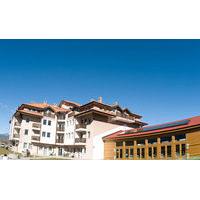
Scape Bansko Greenpeace Hotel & Spa:

Fish 4 Ever Skipjack Tuna Chunks In Olive Oil - 160g: Recommended by celebrity chefs and environmentalists these sustainably fished Skipjack Tuna are not only named the...
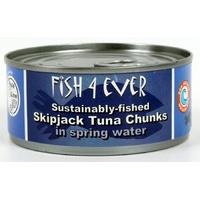
Fish 4 Ever Skipjack Tuna Chunks In Spring Water - 160g: These sustainably fished Skipjack Tuna are not only named the tastiest tuna they are rated 89% by Greenpeace making...
 Concern
 Send A Cow
 World Vision
 Guide Dogs for Blind Association
 Royal British Legion, The
 NCT
 Hearing Dogs
 British Red Cross
 Save The Children